

No items found in your cart!
No items found in your cart!
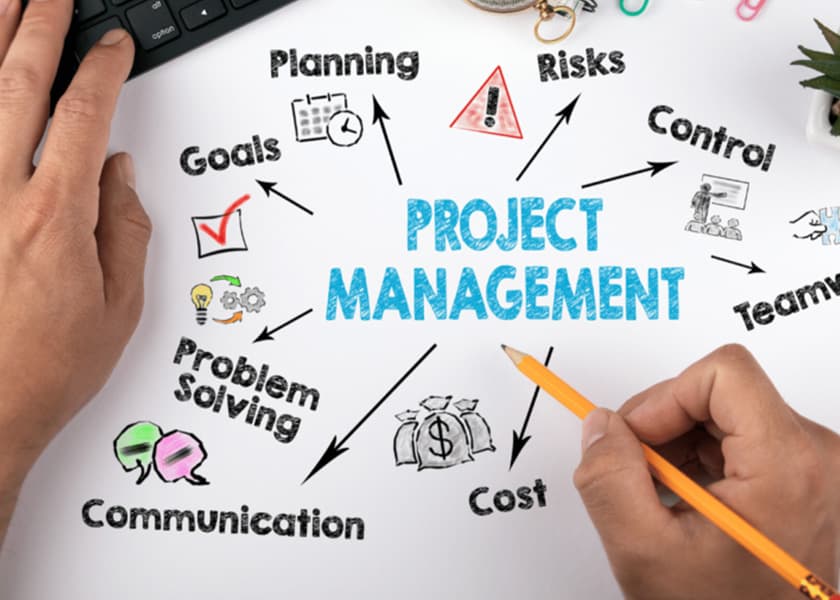
Ideal for: Students • Graduates • Entrepreneurs • Business Owners • Professionals • Team Leaders • Administrative Officers • Operations ....
) course today available at https://www.hub.goglowonline.com/product-detail.php?post_id=731, Product Line: GOGLOW HUB. Thanks for Shopping with us @ Goglow Hub!&image=<img src='https://www.hub.goglowonline.com/upload/17876615761759837772PROJECT MANAGEMENT2.jpg'/>) |
|
|
|
|
|
|
|
) today available at https://www.hub.goglowonline.com/product-detail.php?post_id=731, Product Line: GOGLOW HUB. Thanks for Shopping with us @ Goglow Hub!&image=<img src='https://www.hub.goglowonline.com/upload/17876615761759837772PROJECT MANAGEMENT2.jpg'/>)
Course Modules
Module 1 — Introduction to Project Management
What is project management?
Projects vs. operations
Project lifecycle
Roles and responsibilities of a project manager
Project management knowledge areas
Project management career opportunities
Module 2 — Project Initiation
Identifying project objectives
Business case development
Project charter
Stakeholder identification
Defining project scope
Project feasibility
Module 3 — Project Planning
Work Breakdown Structure (WBS)
Project schedules
Milestones and deliverables
Resource planning
Project timelines
Budget planning
Project management documentation
Module 4 — Project Risk Management
Identifying project risks
Risk assessment
Risk probability and impact
Risk response strategies
Risk registers
Contingency planning
Module 5 — Project Cost & Resource Management
Budget preparation
Cost estimation
Resource allocation
Human resources
Materials and equipment
Cost monitoring and control
Module 6 — Agile & Scrum Project Management
Agile principles
Scrum framework
Scrum roles
Product backlog
Sprint planning
Daily stand-ups
Sprint reviews and retrospectives
Kanban
Module 7 — Project Communication & Team Management
Building project teams
Leadership and delegation
Communication plans
Managing stakeholders
Conflict resolution
Team motivation
Meetings and reporting
Module 8 — Project Monitoring & Control
Tracking project progress
KPIs and performance indicators
Managing scope changes
Schedule control
Cost control
Quality management
Project dashboards and reports
Module 9 — Project Management Tools Practical training using:
Microsoft Project
Trello
Asana
ClickUp
Jira
Microsoft Excel
Google Workspace
Module 10 — Project Closure
Project handover
Final documentation
Performance evaluation
Lessons learned
Closing contracts
Post-project review
Practical Final Project
Each learner should complete a real-world project management assignment, for example:
Plan and manage the launch of a new business, event, website, product, training programme or community project.
The learner will create:
Project Charter
Scope Statement
Work Breakdown Structure
Project Schedule
Budget
Risk Register
Resource Plan
Communication Plan
Gantt Chart
Project Status Report
Final Project Report
Skills Learners Will Gain
By the end of the course, learners should be able to:
Plan and structure projects from start to finish
Develop realistic project schedules and budgets
Manage project teams and resources
Identify and manage project risks
Create professional project documentation
Track project performance
Manage stakeholders effectively
Apply Agile and Scrum principles
Use modern project management software
Prepare professional project reports
Successfully close and evaluate projects
Suggested GOGLOW HUB Course Listing
Course Name: Project Management
Level: Beginner → Intermediate
Duration: 6–8 Weeks
Mode: Online / Physical / Hybrid
Certificate: Yes
Practical Training: Yes
Final Project: Yes
Prerequisite: None
Ideal for: Students • Graduates • Entrepreneurs • Business Owners • Professionals • Team Leaders • Administrative Officers • Operations Staff • Aspiring Project Managers
Career Opportunities: Project Coordinator • Project Assistant • Project Manager • Operations Coordinator • Programme Officer • Scrum/Agile Team Member • Project Administrator
Course Modules
Module 1 — Introduction to Project Management
What is project management?
Projects vs. operations
Project lifecycle
Roles and responsibilities of a project manager
Project management knowledge areas
Project management career opportunities
Module 2 — Project Initiation
Identifying project objectives
Business case development
Project charter
Stakeholder identification
Defining project scope
Project feasibility
Module 3 — Project Planning
Work Breakdown Structure (WBS)
Project schedules
Milestones and deliverables
Resource planning
Project timelines
Budget planning
Project management documentation
Module 4 — Project Risk Management
Identifying project risks
Risk assessment
Risk probability and impact
Risk response strategies
Risk registers
Contingency planning
Module 5 — Project Cost & Resource Management
Budget preparation
Cost estimation
Resource allocation
Human resources
Materials and equipment
Cost monitoring and control
Module 6 — Agile & Scrum Project Management
Agile principles
Scrum framework
Scrum roles
Product backlog
Sprint planning
Daily stand-ups
Sprint reviews and retrospectives
Kanban
Module 7 — Project Communication & Team Management
Building project teams
Leadership and delegation
Communication plans
Managing stakeholders
Conflict resolution
Team motivation
Meetings and reporting
Module 8 — Project Monitoring & Control
Tracking project progress
KPIs and performance indicators
Managing scope changes
Schedule control
Cost control
Quality management
Project dashboards and reports
Module 9 — Project Management Tools Practical training using:
Microsoft Project
Trello
Asana
ClickUp
Jira
Microsoft Excel
Google Workspace
Module 10 — Project Closure
Project handover
Final documentation
Performance evaluation
Lessons learned
Closing contracts
Post-project review
Practical Final Project
Each learner should complete a real-world project management assignment, for example:
Plan and manage the launch of a new business, event, website, product, training programme or community project.
The learner will create:
Project Charter
Scope Statement
Work Breakdown Structure
Project Schedule
Budget
Risk Register
Resource Plan
Communication Plan
Gantt Chart
Project Status Report
Final Project Report
Skills Learners Will Gain
By the end of the course, learners should be able to:
Plan and structure projects from start to finish
Develop realistic project schedules and budgets
Manage project teams and resources
Identify and manage project risks
Create professional project documentation
Track project performance
Manage stakeholders effectively
Apply Agile and Scrum principles
Use modern project management software
Prepare professional project reports
Successfully close and evaluate projects
Suggested GOGLOW HUB Course Listing
Course Name: Project Management
Level: Beginner → Intermediate
Duration: 6–8 Weeks
Mode: Online / Physical / Hybrid
Certificate: Yes
Practical Training: Yes
Final Project: Yes
Prerequisite: None
Ideal for: Students • Graduates • Entrepreneurs • Business Owners • Professionals • Team Leaders • Administrative Officers • Operations Staff • Aspiring Project Managers
Career Opportunities: Project Coordinator • Project Assistant • Project Manager • Operations Coordinator • Programme Officer • Scrum/Agile Team Member • Project Administrator


 Courses
 Graphics Design
 Web Development
 Mobile App Development
 System Application Development
 Computer Appreciation
 Architectural Design
 UI/UX Design
 Programming
 Software Development
 Computer Repairs
 Solar Panel Installation
 CCTV Installation
 Digital Photograpghy
 Digital Marketing
 Data Analytics
 Database Management
 Ethical Hacking
 Blockchain Development
 Jamb CBT Practice
 TOEFL Training
 IELTS Training